.avif)
Bird of the Week
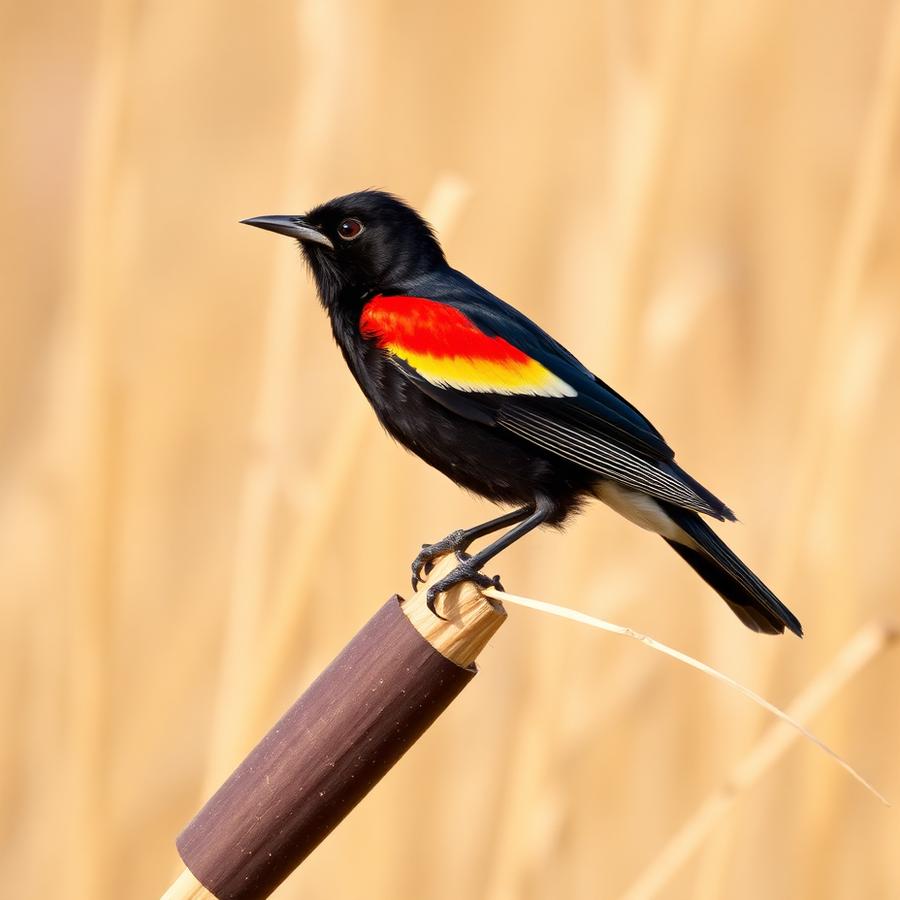
Red-winged Blackbird

Habitat
Wetlands, marshes, farm fields, ponds

Range
North America

Diet
Insects, seeds, fruits

Conservation
Status
Status
Least Concern
Why I choose this bird?
What makes this bird special?
Size: 7-9 inches long, with a 12-15 inch wingspan.
Weight - 1.8 oz or 52 g
Habitat: Found in freshwater and saltwater marshes, as well as wet meadows, fields, and roadside ditches.
Range: Widespread across most of North America, from Alaska and Canada down to Central America.
Diet: Primarily eats insects during the breeding season and seeds/grains during the rest of the year.
Conservation Status: Least Concern, with a very large and stable population.
Weight - 1.8 oz or 52 g
Habitat: Found in freshwater and saltwater marshes, as well as wet meadows, fields, and roadside ditches.
Range: Widespread across most of North America, from Alaska and Canada down to Central America.
Diet: Primarily eats insects during the breeding season and seeds/grains during the rest of the year.
Conservation Status: Least Concern, with a very large and stable population.
How to Identify it?
Fun Fact
Red winged blackbirds can travel in the millions with other blackbirds and grackles.
Want to become and expert?
To learn more about Red-winged Blackbirds check out Cornell's All About Birds!

.avif)